My trip to Washington, D.C. for Alcohol Responsibility Month
Some trips feel like a change of scenery. This one felt like a change in perspective.
I went to Washington, D.C. with Responsibility.org during Alcohol Responsibility Month expecting thoughtful conversations about parenting, influence, and alcohol responsibility.
What I didn’t expect was how often the message would come back to something much simpler, and much closer to home: the conversations we’re having (or not having) with our kids every day.
Similar to my trip last year, the focus wasn’t policy or platforms—it was parents first.
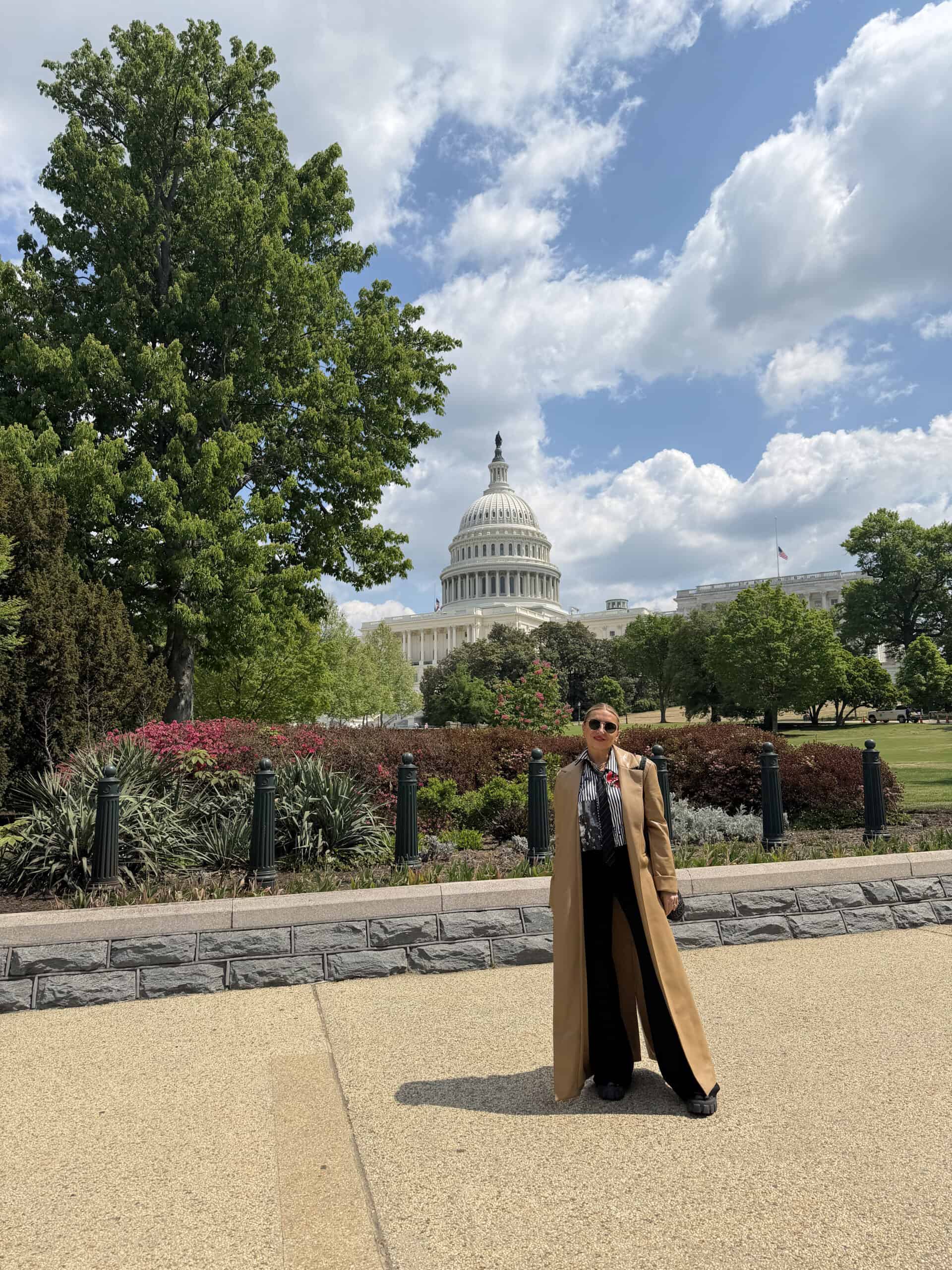
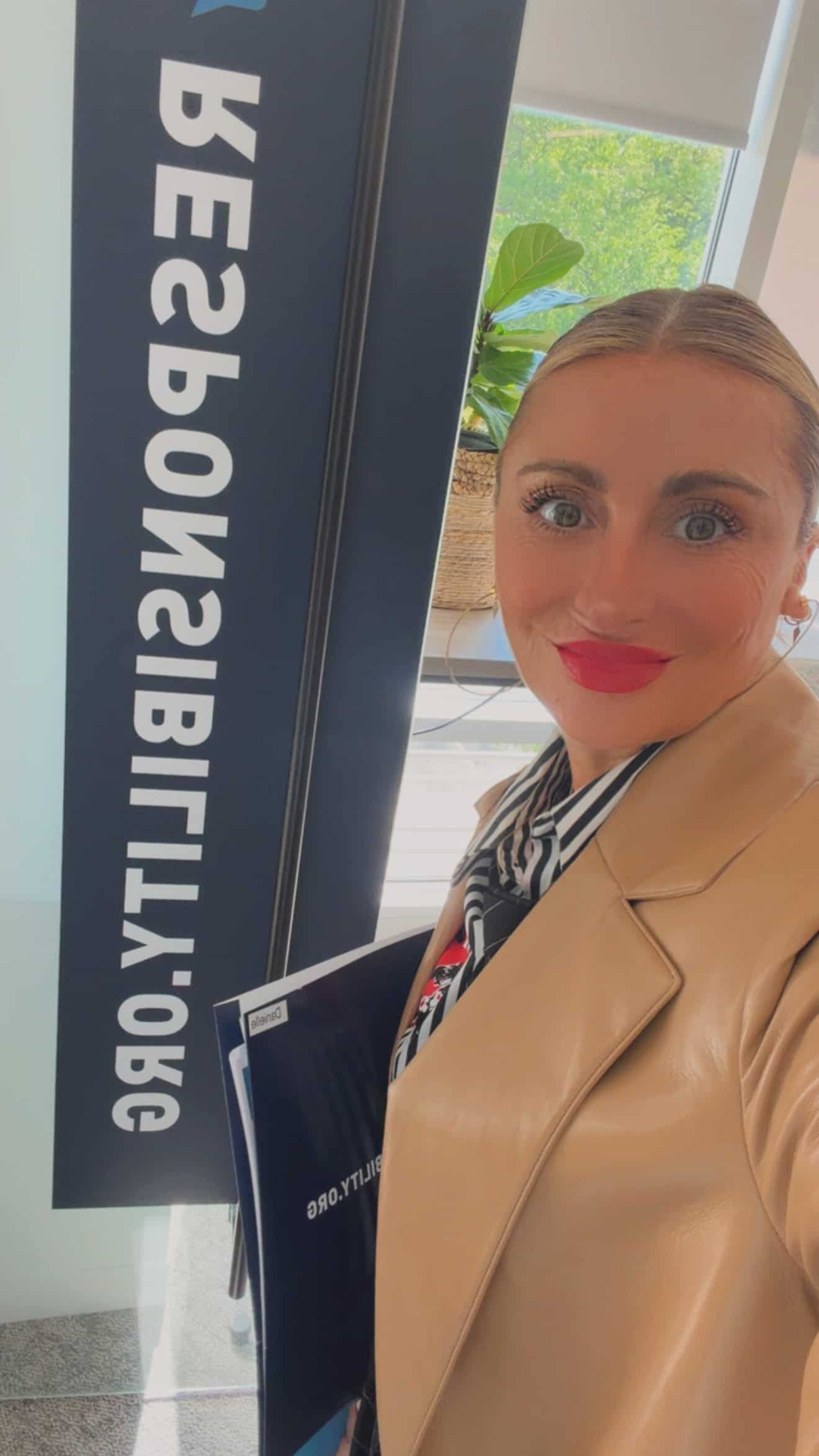
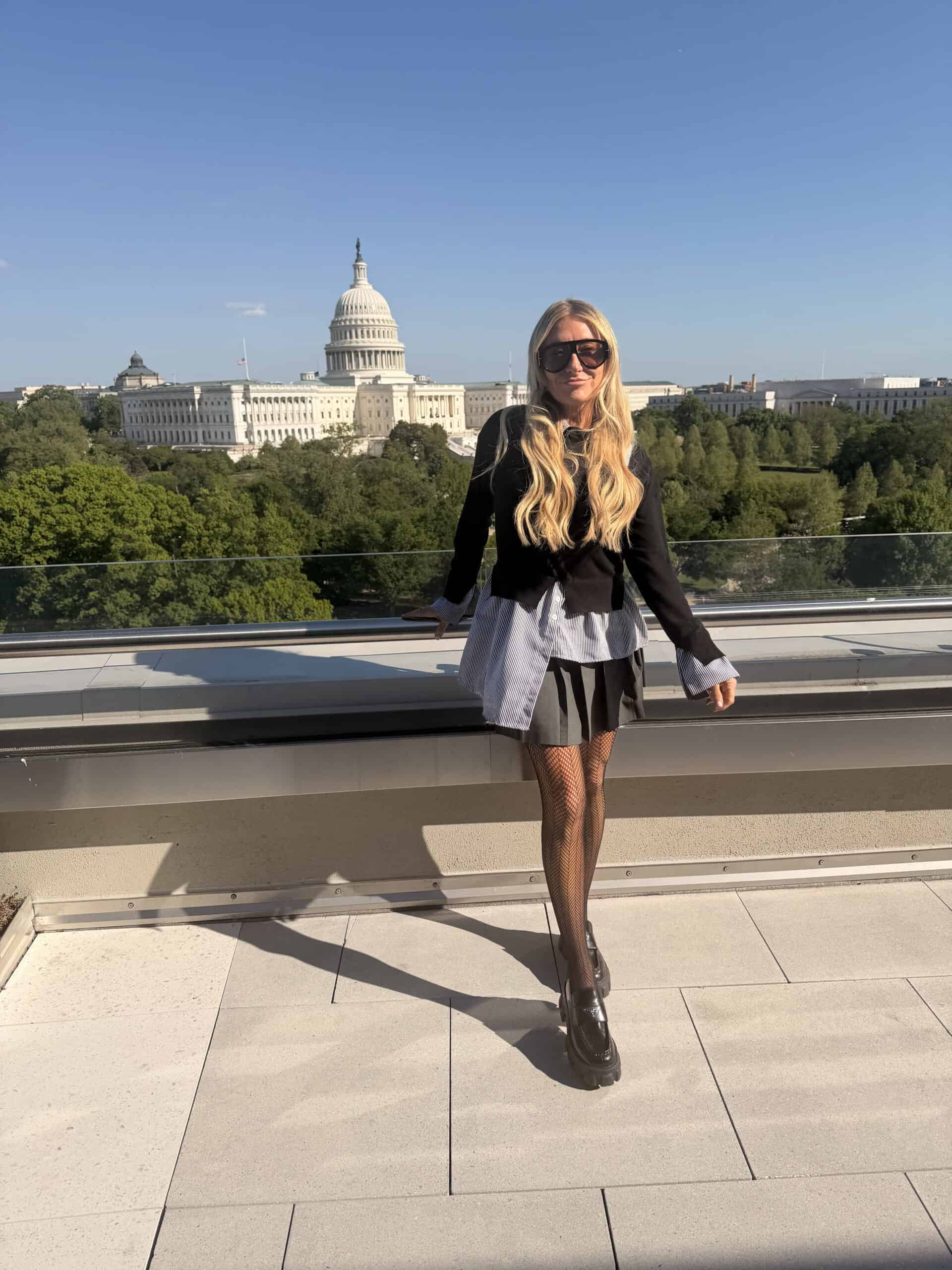
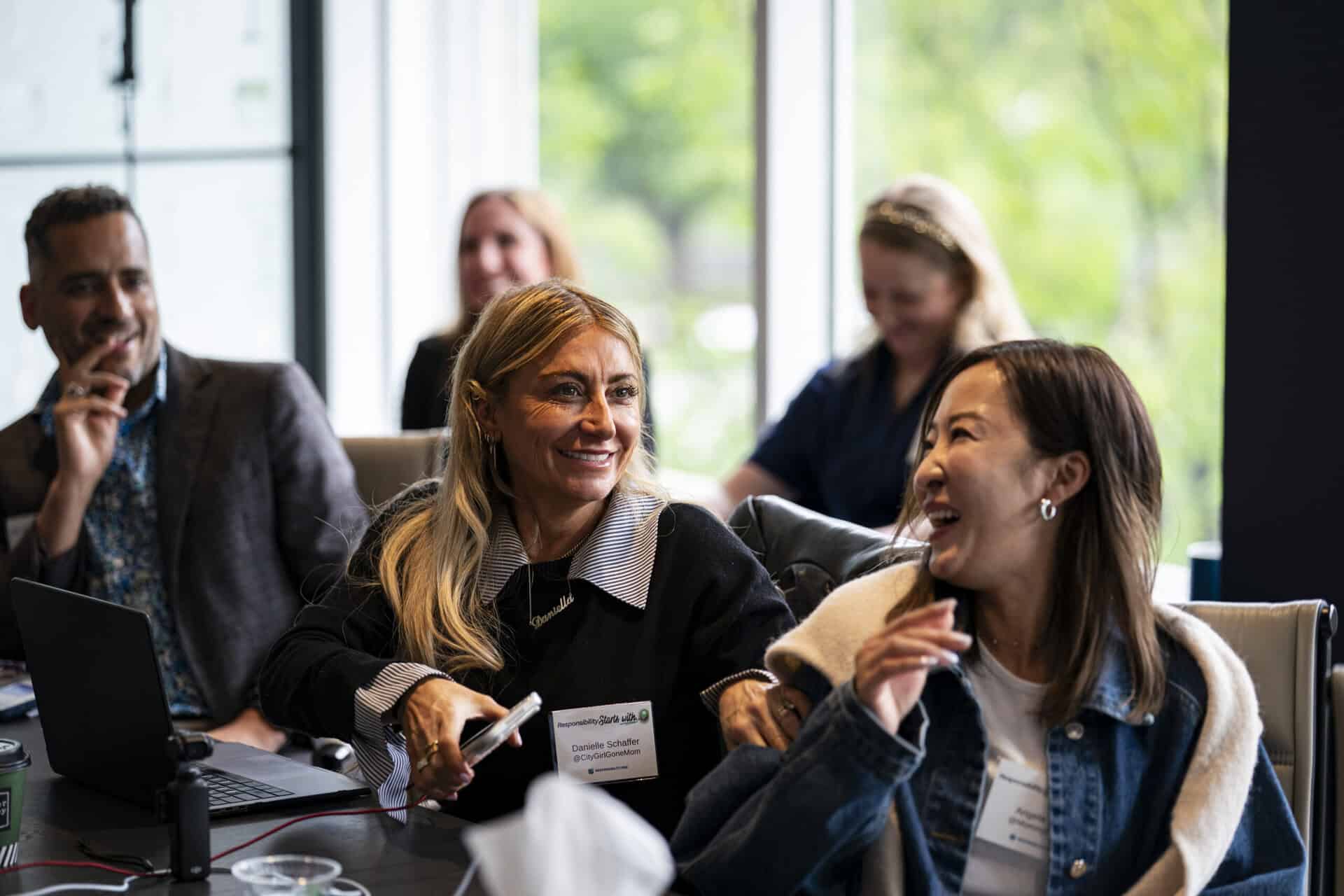
Arriving in D.C.
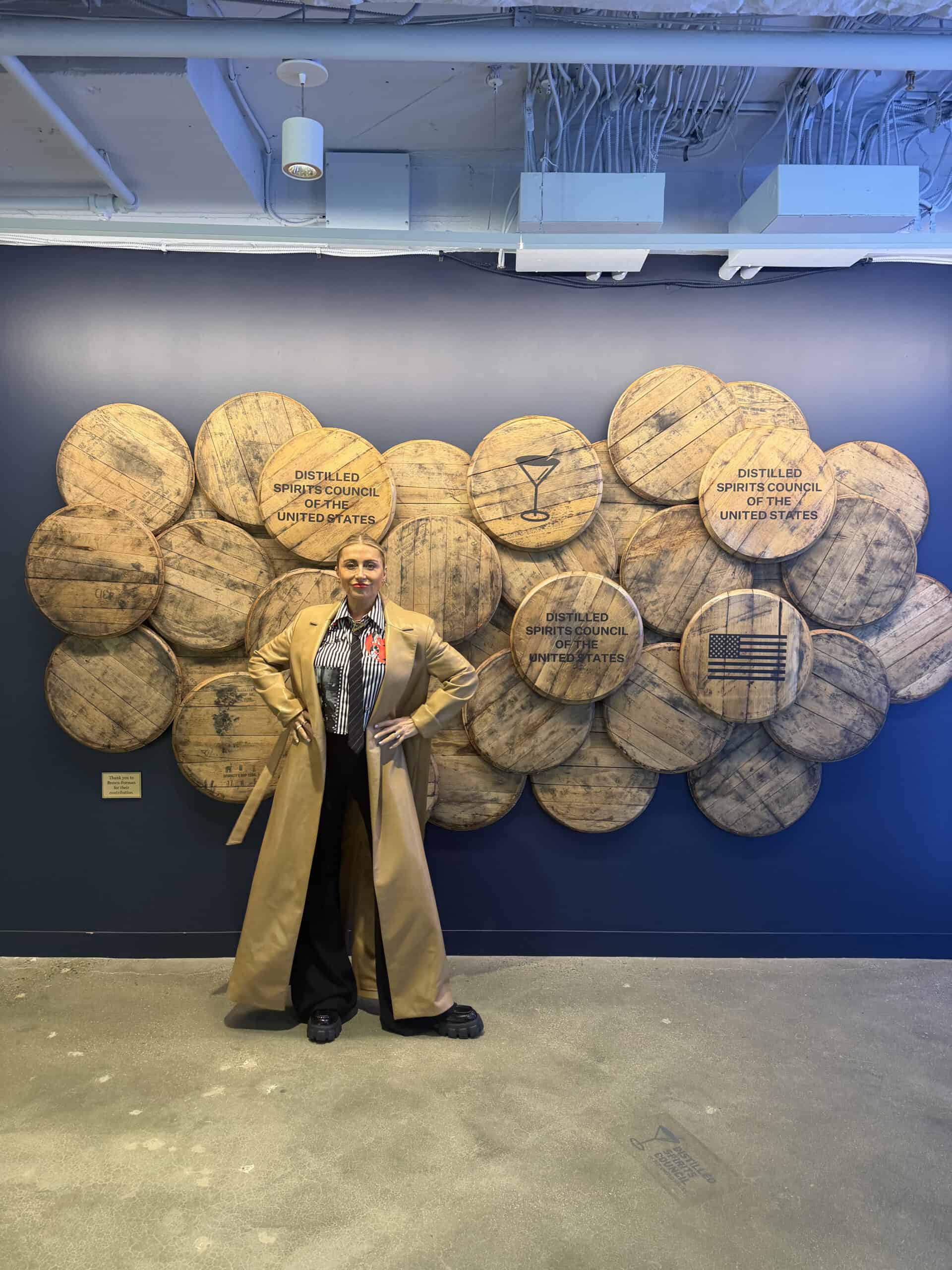
We started the trip at the InterContinental at The Wharf, settling in before gathering for a welcome dinner at ilili DC. It was an easy, grounding night with good food, and a shared sense that everyone in the room was there for something bigger than a moment on a schedule. Some of my favorite storytellers were here, and I couldn’t have been more excited for the camaraderie and conversation.
That tone carried into everything that followed.
A Day Built Around Responsibility
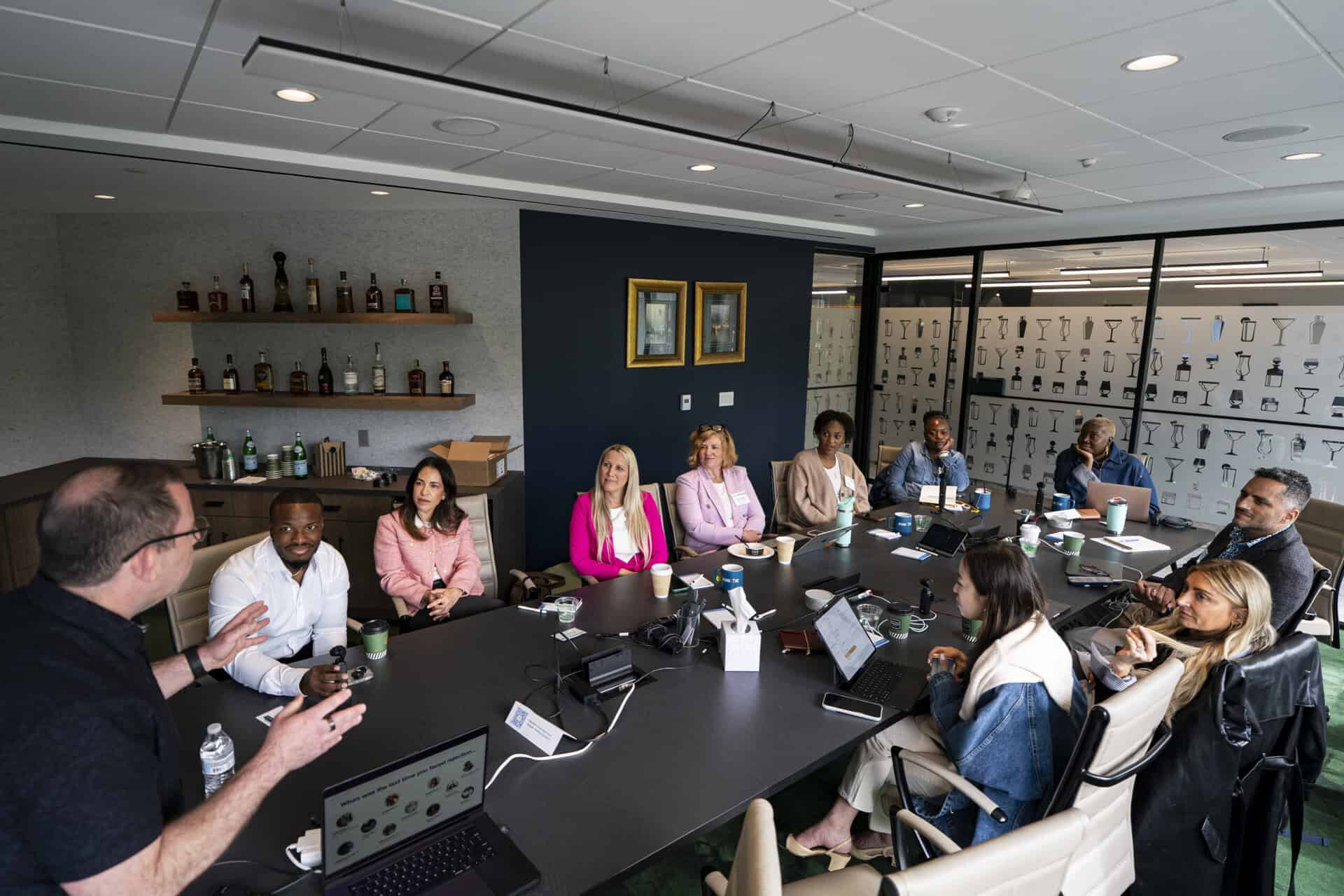
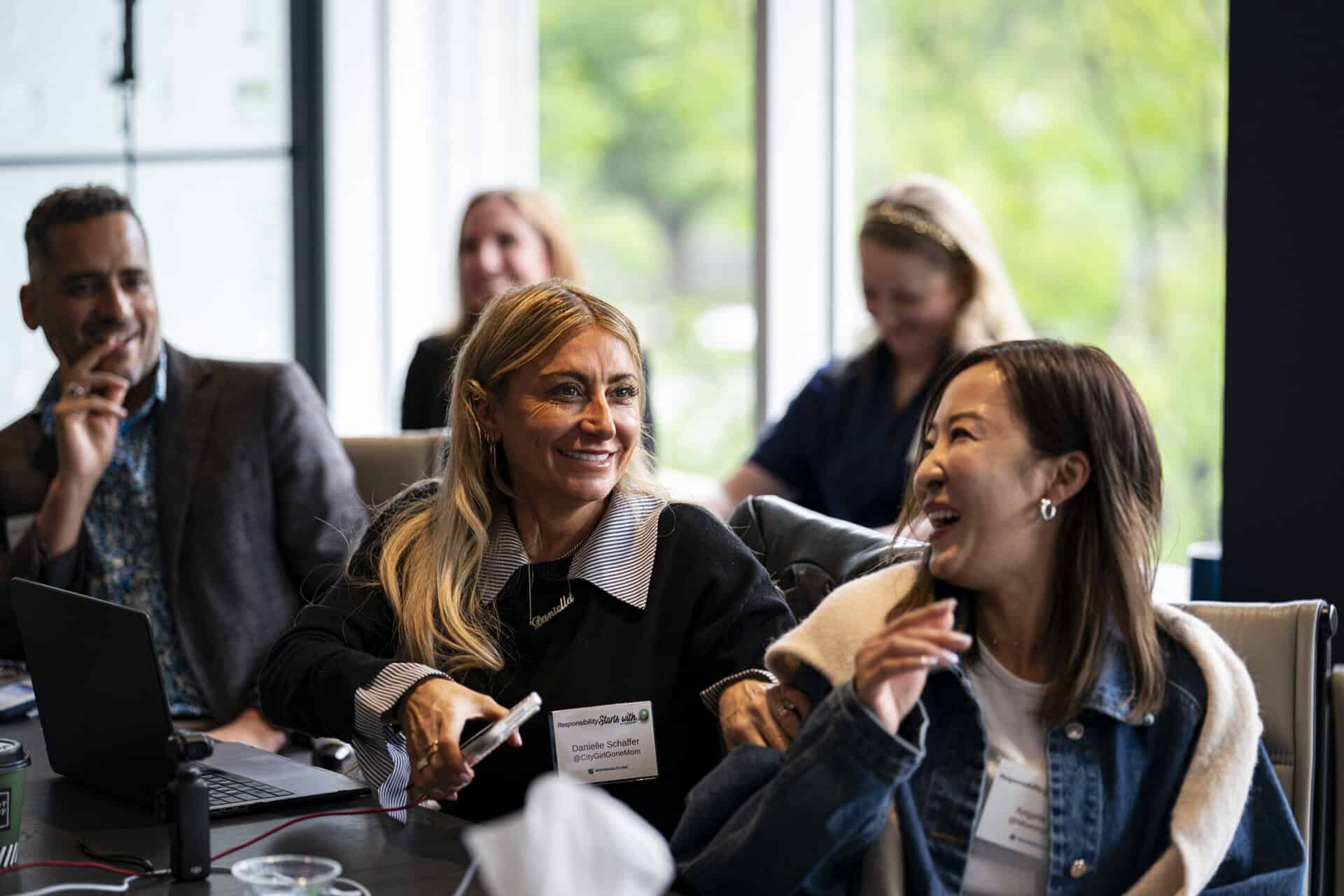
Wednesday centered around Responsibility.org’s “Day of Responsibility,” and from the start, it wasn’t about slogans or surface-level messaging. It was about reality.
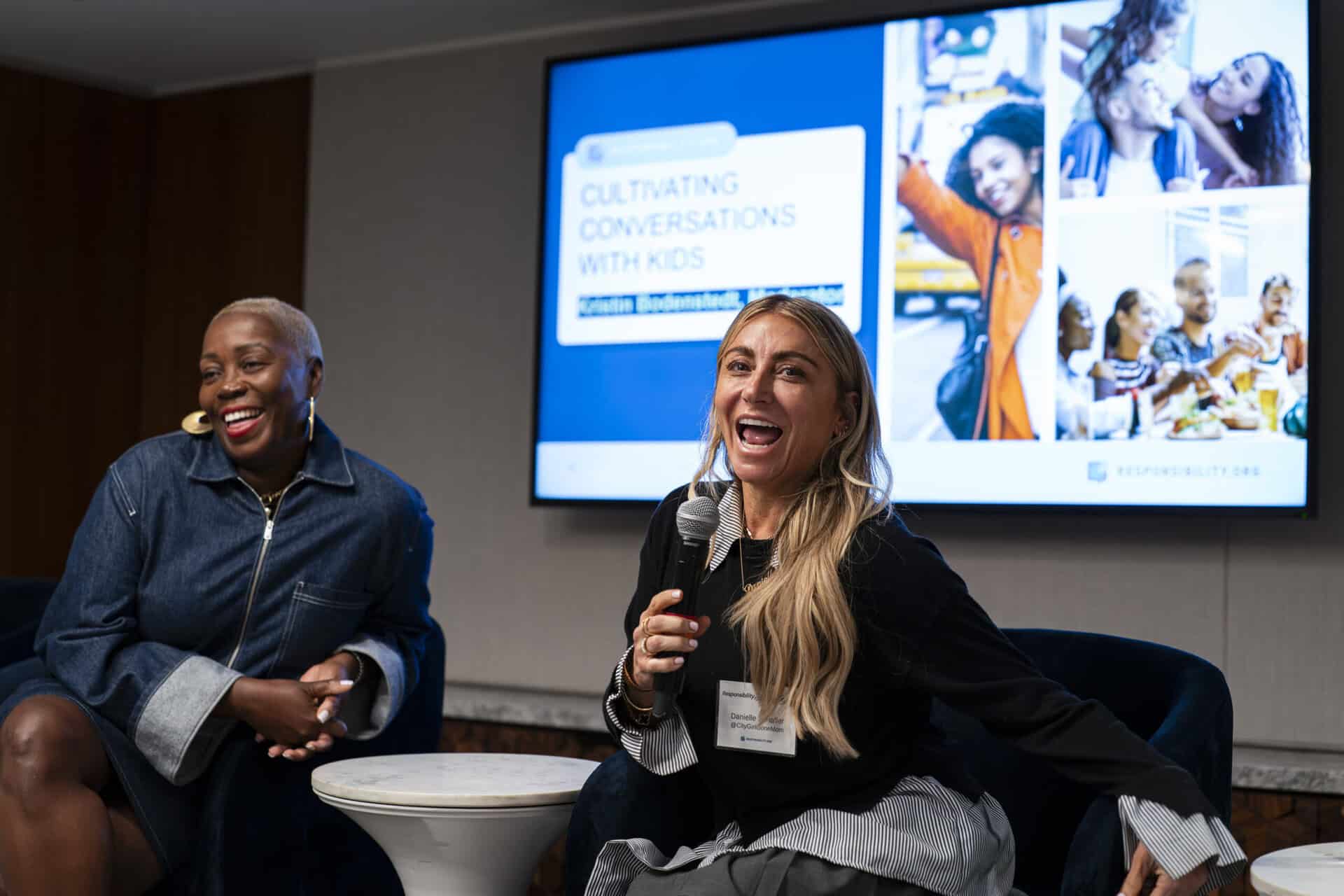
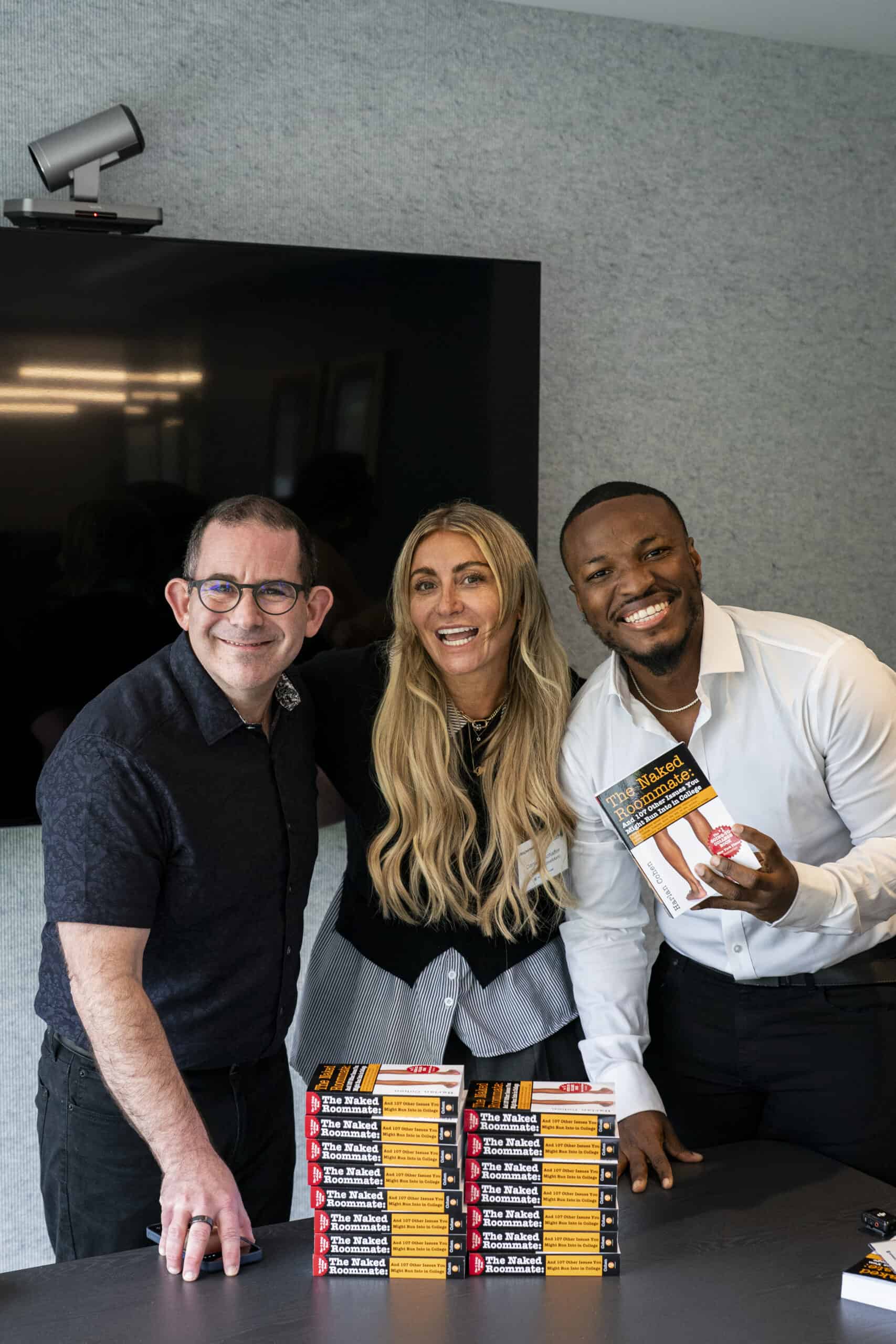
We opened with speaker Harlan Cohen, who spoke about rejection, communication, and the truth that so much of parenting isn’t about having perfect answers—it’s about staying in the conversation when things feel uncomfortable.
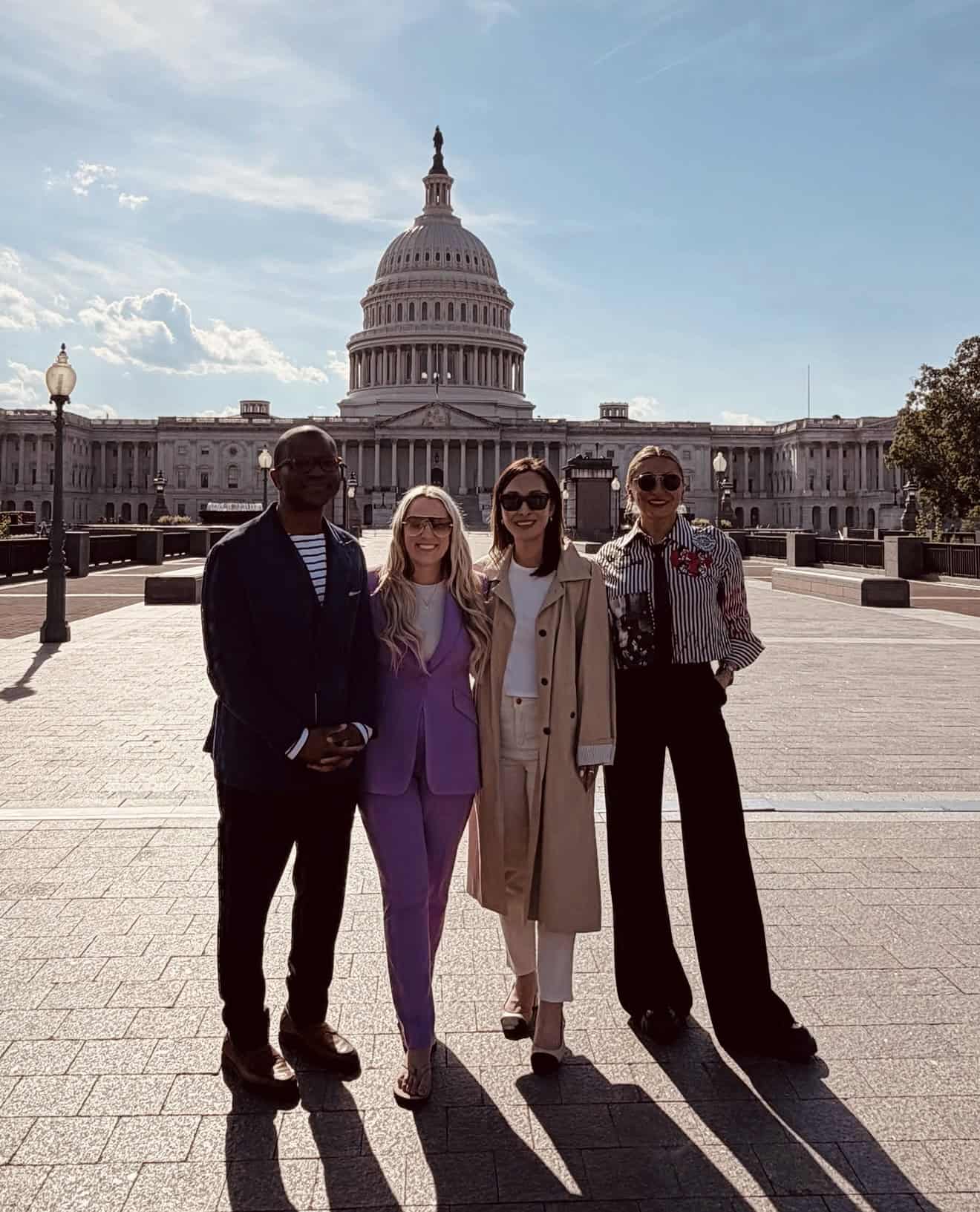
What the Data Actually Shows
Throughout the day, we explored the shifting landscape of alcohol culture, safety, and prevention—and one thing stood out clearly:
- 6 out of 10 teens say they have never had alcohol
- Underage drinking continues to decline
- Most adults who choose to drink say they understand their limits and drink responsibly
It reframed the entire conversation. Less fear-based. More reality-based. And honestly—more hopeful than many people realize.

The Parenting Conversation That Stayed With Me
The most impactful part of the day, for me, was the conversation around parenting and communication.
Not “the talk.” But the ongoing conversation. The kind that happens in the margins of everyday life. And the message was clear:
Parents are still the #1 influence on whether kids choose to drink alcohol or not. Not peers. Not social media. Not trends. Us. And that influence isn’t built in a single moment. It’s built in repetition, in tone, in presence.
Here’s what that looks like in real life:
The big truth:
You are the #1 influence in your child’s decisions about alcohol.
The reality check:
Most kids are not drinking—and that shifts the entire conversation.
What actually works:
- Ongoing conversations instead of one big talk
- Asking questions instead of leading with lectures
- Using everyday moments—car rides, dinners, downtime
What to avoid:
- Shutting conversations down with judgment
- Assuming they already know everything
- Making alcohol a taboo topic instead of an open one
What to say instead:
- “I’m always here if you want to talk.”
- “What are you seeing at school or online?”
- “You won’t get in trouble for being honest with me.”
It’s simple. But it’s not always easy.
Capitol Hill: Turning Conversation Into Action
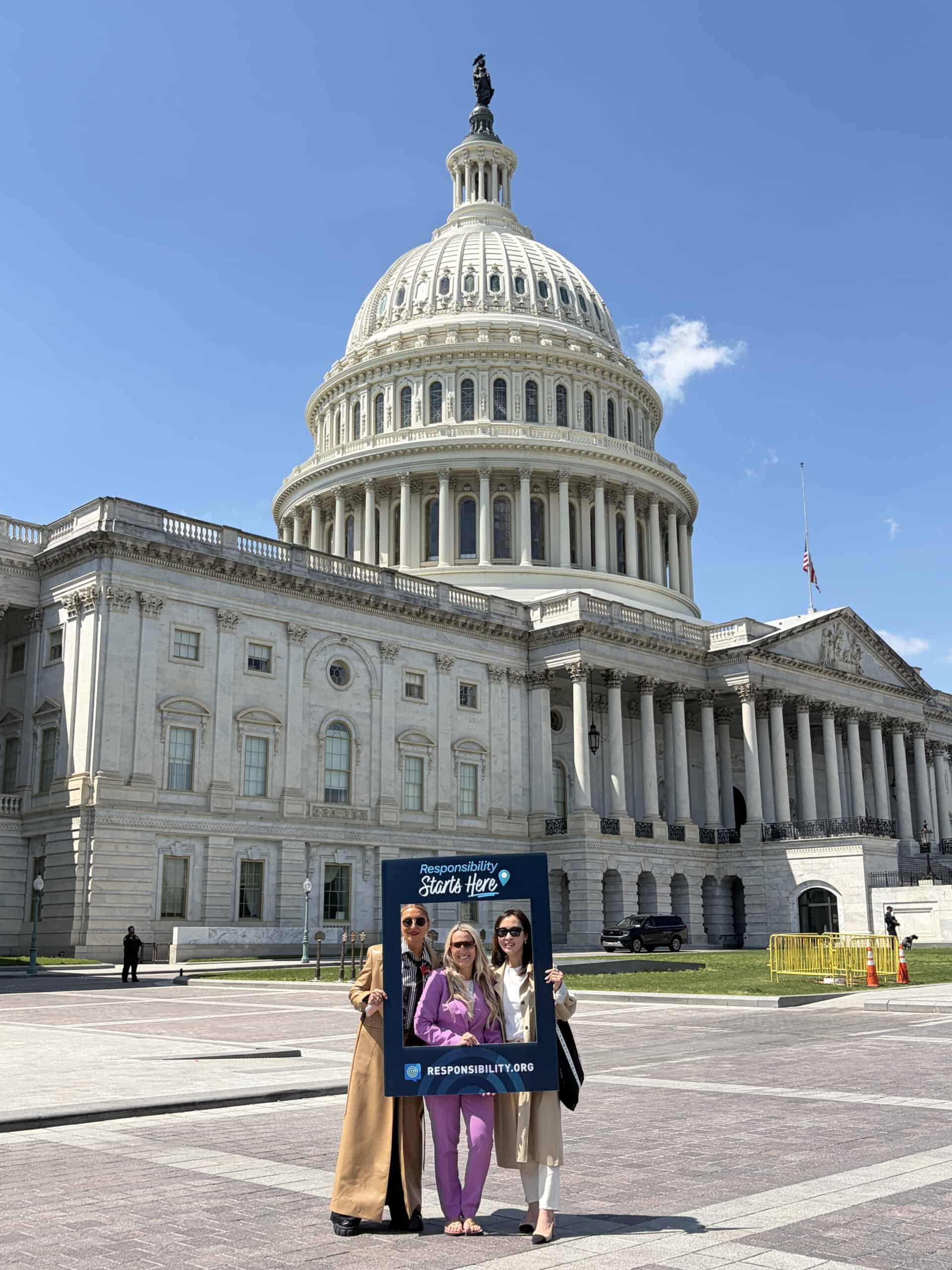
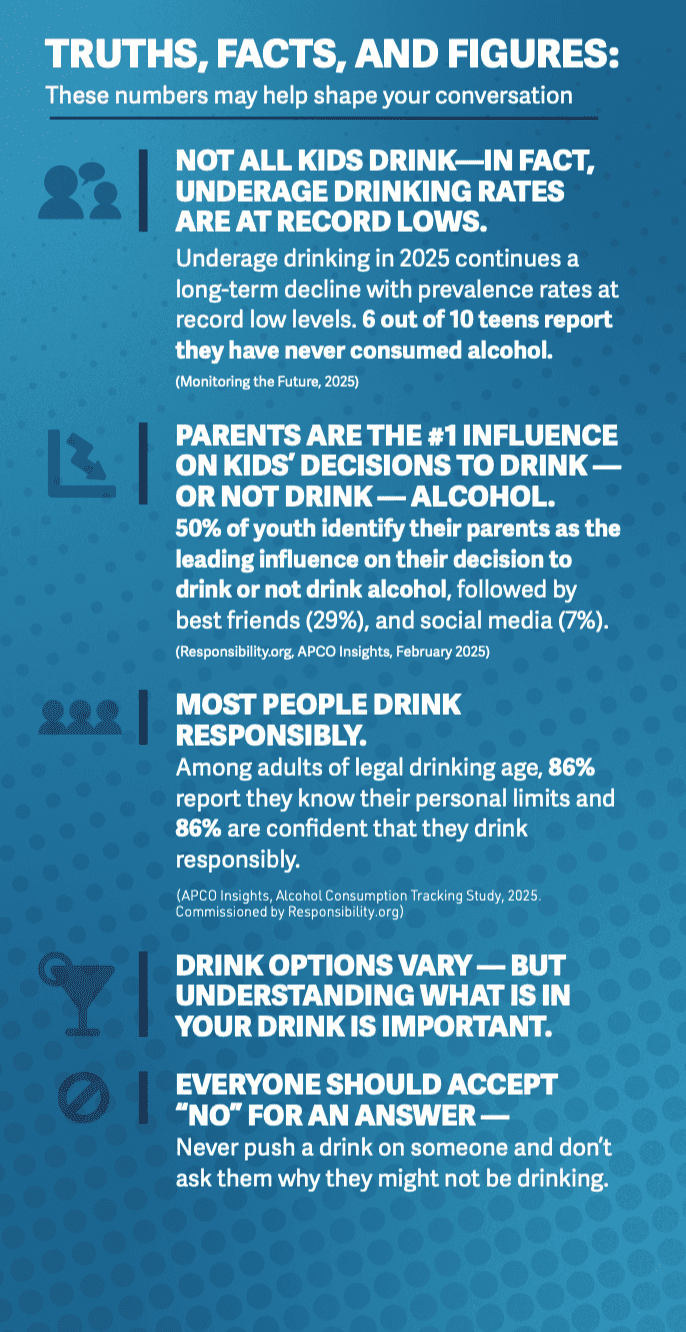
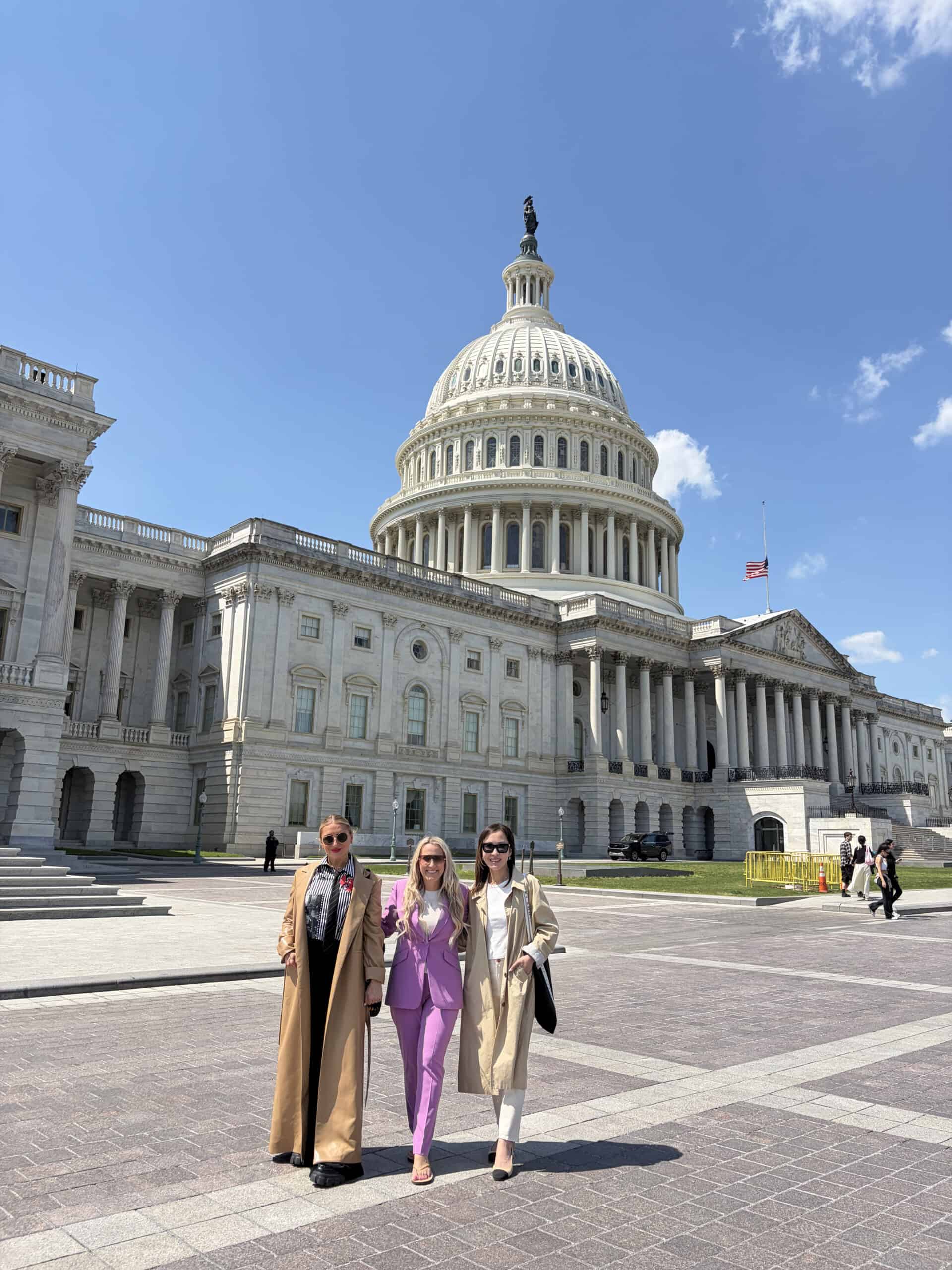
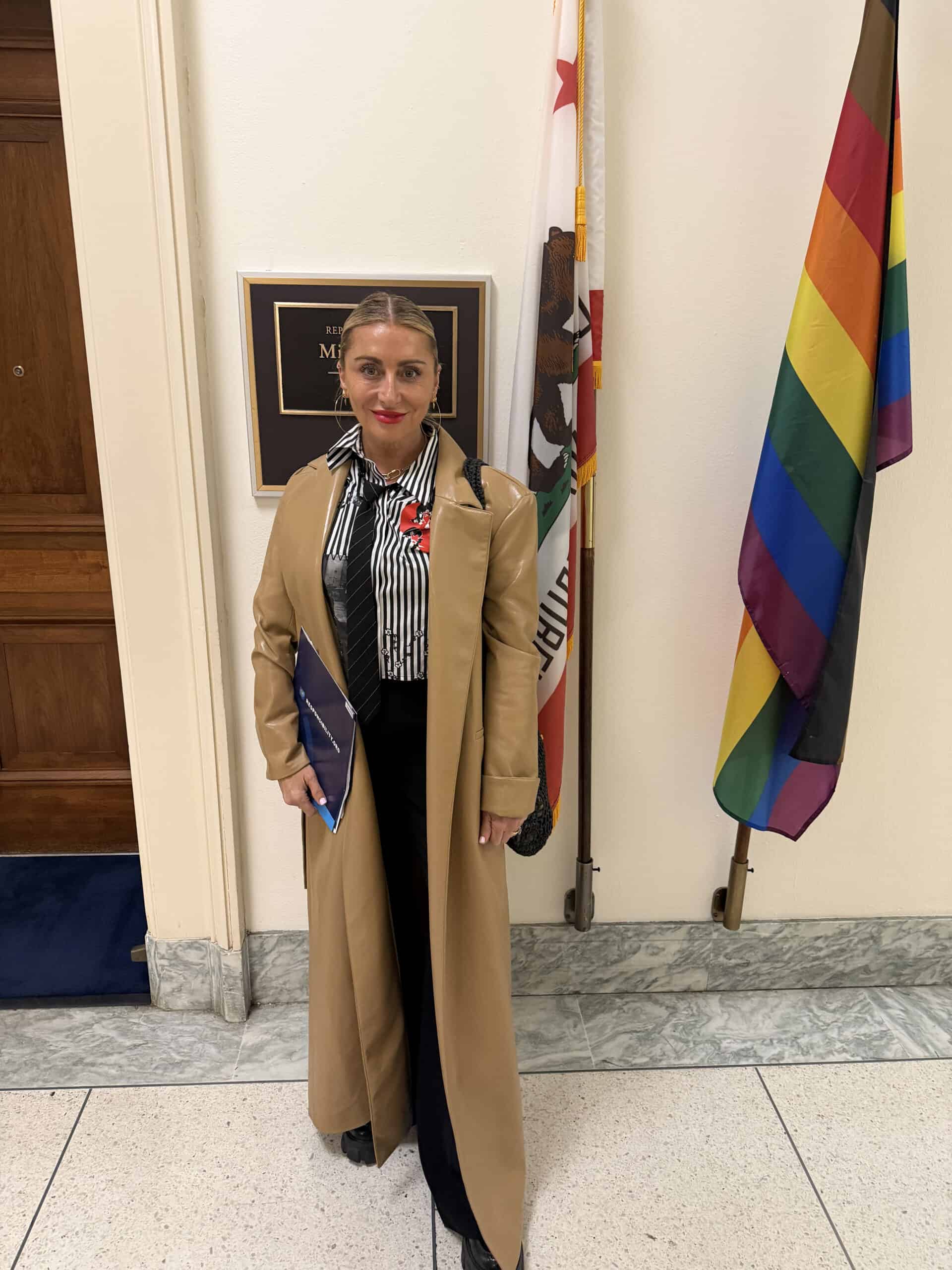
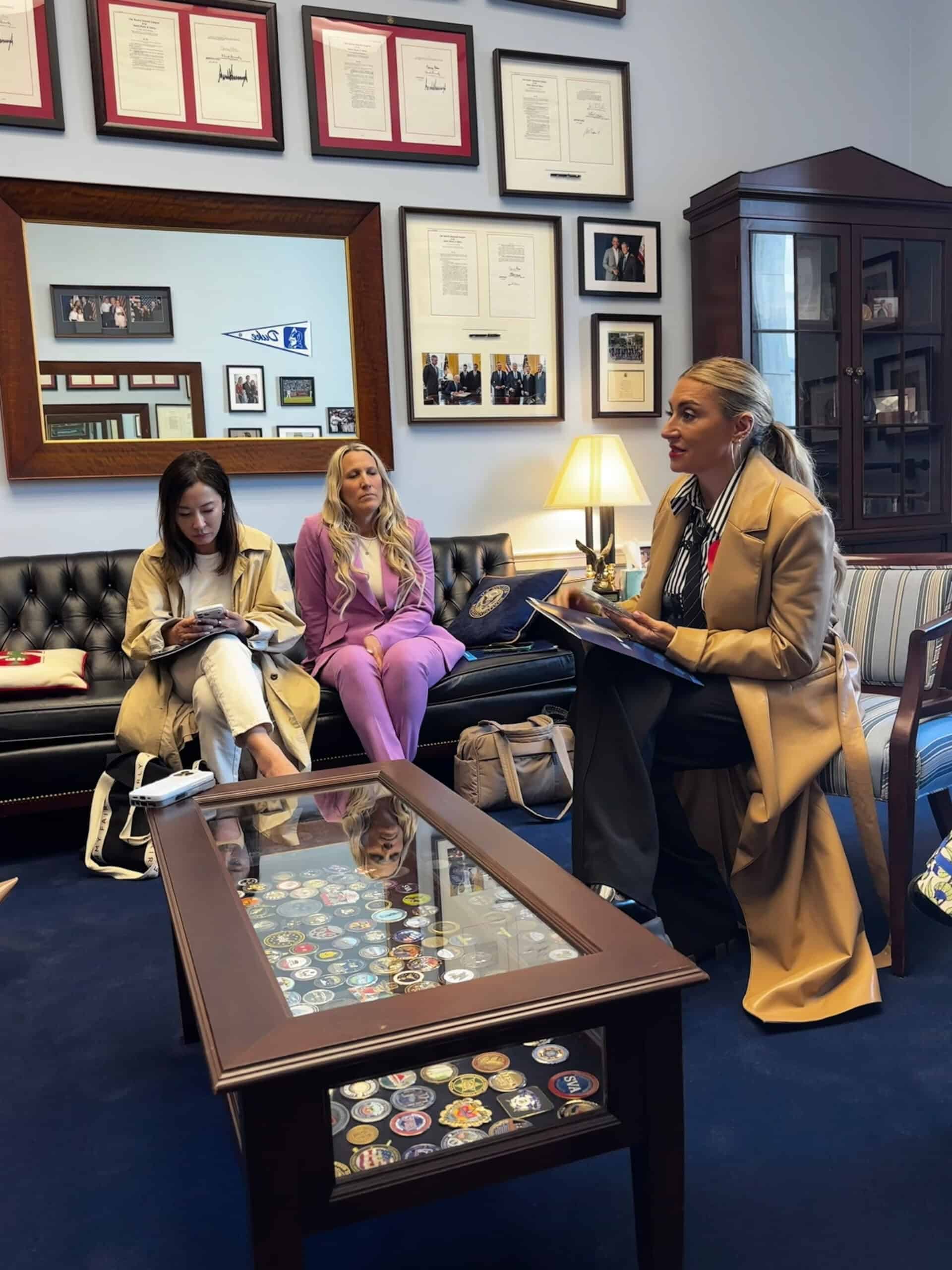
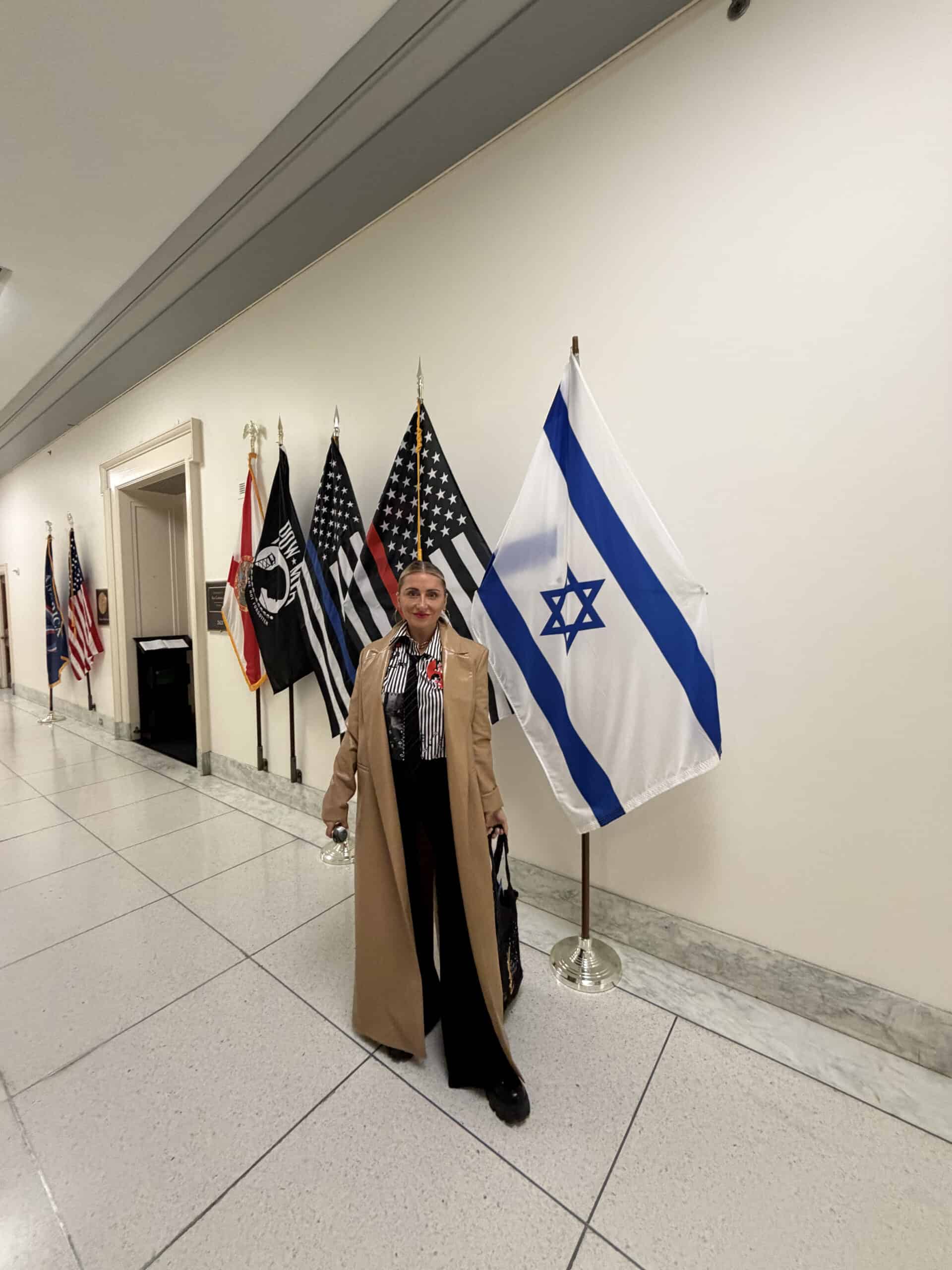
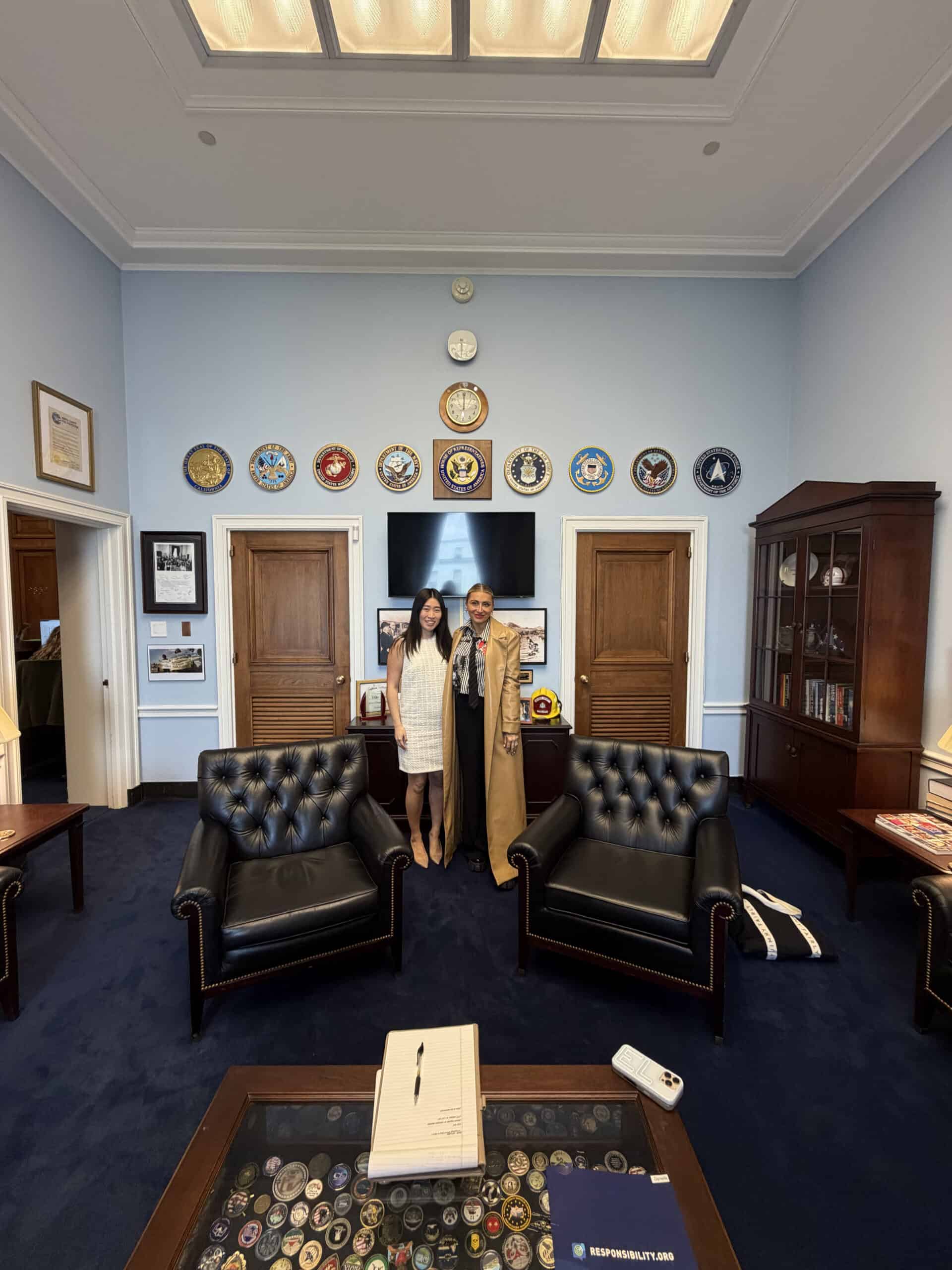
The final day brought us to Capitol Hill, where we met with members of Congress and Senate offices to continue conversations around prevention, education, and responsibility.
Before those meetings, we were briefed on how to show up—not as experts, but as parents and advocates sharing lived experience. The focus included continued support for prevention programs like the STOP Act, which helps fund efforts to reduce underage drinking.
But what mattered most wasn’t policy language. It was storytelling. Because when real experiences are shared, perspective shifts.
My Personal Reflection
I came to Washington, DC as a parenting creator… but I left Capitol Hill as an even stronger advocate for our children’s future.
As a mother of four, this mission is deeply personal.
I joined @go_faar and Responsibility.org during Alcohol Responsibility Month to meet with members of Congress and Senate offices to help push forward conversations that matter:
- Prevent underage drinking
- Eliminate impaired driving
- Encourage responsible choices for adults who choose to drink
Because parenting isn’t just about what happens inside our homes. It’s about using our voices to help shape safer communities, stronger policies, and better futures for the next generation.
From powerful conversations with lawmakers to learning alongside incredible leaders and parents, this experience reminded me that real change starts when we choose to show up.
Final Thought
Responsibility doesn’t start in Washington.
Responsibility starts with us.
As parents.
As leaders.
As role models.
So I’ll leave you with the same question I left with myself:
How are you modeling responsibility for the next generation?
YOU MAY ALSO LIKE

SHOP THE LOOKS

Pin This Post
LISTEN TO THE PODCAST