
If you know me, you know I keep it real. Between raising four kids, juggling mom life, and trying to sneak in a quiet cup of coffee, I’m all about honest conversations. And let’s be real—our health is one of those things we have to talk about, even the not-so-glamorous stuff…like our guts.
Because if you’re anything like me, you know that when your stomach is off, the rest of your life feels upside down too. IBS(Irritable Bowel Syndrome), bloating, unpredictable bathroom runs—it’s overwhelming and exhausting.
But here’s the good news: there are experts who understand that gut issues aren’t just physical—they impact emotions, thoughts, and overall wellbeing. I sat down with Dr. Tiffany Duffing, licensed clinical psychologist and co-founder of GI Psychology, to talk about how her team helps people connect the dots between gut health and mental health—and how something as simple as scheduling a free consultation can be the first step toward relief.
Q: Dani – I know I’m not the only one who’s had a day completely thrown off by gut issues. IBS is clearly so common, but no one seems to want to talk about it. Why is that?
Dr. Duffing: You’re right, Dani. IBS is extremely common—affecting as many as 1 in 10 people. And the larger category of Disorders of the Gut-Brain Interaction (DGBIs) affect 4 in 10 people globally. A big reason people don’t talk about it is because they assume it’s just “normal” to live with constant bloating, stomach pain, or unpredictable bathroom habits. On top of that, these symptoms can feel embarrassing to share, so people stay quiet. Unfortunately, that silence can keep them from getting the right help.
At GI Psychology, one of our biggest goals is to change that mindset. Digestive symptoms are not something you just have to tolerate—they’re your body’s way of saying something is out of balance. And the good news is, there are real, effective solutions.
Q: Dani – I have to ask what so many of us are wondering: is IBS just “all in your head”?
Dr. Duffing: Absolutely not! IBS is a real medical condition. We call it a “gut-brain disorder,” which simply means the gut and the brain aren’t communicating smoothly. The communication that has gone awry can create secondary effects of visceral hypersensitivity and hypervigilance. It can turn into a viscous feedback loop, amplifying the physical discomfort. Although stress and emotions can make the symptoms worse, it doesn’t mean IBS is imaginary or “just stress.”
The hopeful part? Because IBS involves the gut-brain connection, there are proven treatments that can help calm the system down and make daily life so much easier. That’s exactly what we do at GI Psychology.
Q: Dani – For someone living with IBS, how exactly does GI Psychology help—and how is it different from just seeing a regular therapist?
Dr. Duffing: Such a great nuance to discuss. What makes GI Psychology unique is that our entire practice is dedicated to treating gut-brain conditions like IBS. Our team is made up of licensed psychologists and therapists who have specialized health psychology training in how the gut and brain communicate—this is our area of expertise, not just one piece of a broader practice.
We use evidence-based treatments like cognitive behavioral therapy for GI (GI-CBT) and gut-directed clinical hypnosis, which may sound fancy but really just help patients retrain the way the brain and gut talk to each other. Over time, this can reduce flare-ups, calm the body’s stress response, and give people back a sense of control.

Q: Dani – For someone reading this and wondering if they should reach out…how do they know it’s time?
Dr. Duffing: If you’re dealing with stomach pain, bloating, constipation, diarrhea, or sudden bathroom urgency—and those symptoms are interfering with your daily life—that’s a clear sign it may be time to reach out. Or maybe you’ve already been diagnosed with a GI condition, or your gut’s just been feeling off and you aren’t sure why. Any of those situations are a good reason to get support.
Our expert clinicians specialize in scientifically supported gut-brain health and work closely with providers you’re already working with so your care is fully collaborative—addressing both the medical and emotional sides of what you’re going through. And because gut issues can affect anyone, we see kids, teens, and adults, with virtual sessions available nationwide so you can get support from anywhere.
To get started, we recommend scheduling a free 15-minute consultation. It’s simply a chance to talk with our team, learn more about our approach, and decide for yourself if it feels like the right fit—no pressure, no commitment.





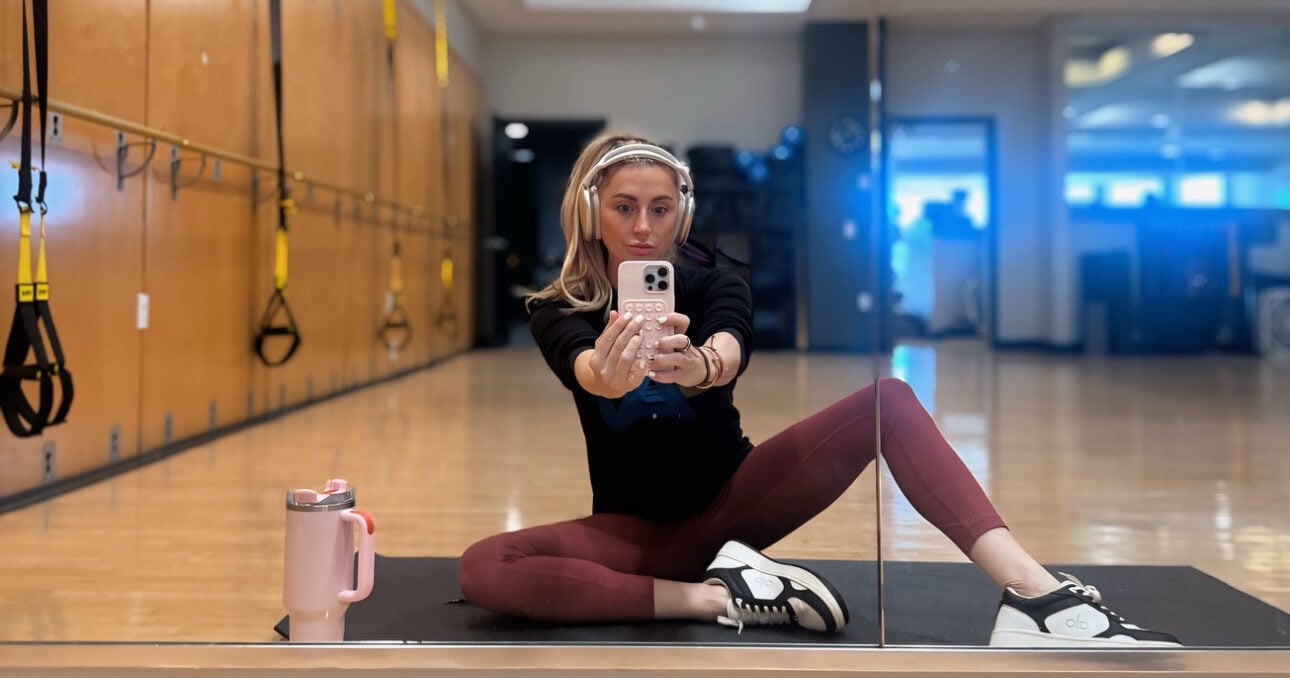


Q: Dani – Between running my own business, raising four kids, and traveling often, I know I’ve been guilty of putting my gut issues last. What do you say to people who feel guilty about investing in their own care?
Dr. Duffing: I hear that all the time. But here’s the truth: you can’t pour from an empty cup. When IBS is running your life—whether it’s constant fatigue, bathroom anxiety, or unpredictable pain—it doesn’t just affect you. It impacts your family, your work, your ability to travel, and even how present you can be day-to-day.
Getting help isn’t selfish—it’s essential. Prioritizing your health is one of the best investments you can make, not only for yourself, but for the people and passions you care about most. I had a hard time prioritizing creating relief for my IBS, but I sure am glad I did!


The Takeaway
Dani: After this conversation, one thing is clear—IBS isn’t something you have to “just live with.” It’s real, it’s common, and most importantly, there are proven solutions that can make everyday life so much easier.
Dr. Duffing: Exactly. And the best way to begin is by getting informed and exploring your options. On our website, www.GIPsychology.com, you’ll find resources to help you better understand the gut-brain connection, plus the opportunity to schedule a free 15-minute consultation with one of our clinicians. That first step can give you clarity and direction—without pressure or commitment.
Dani: I love that. For anyone who’s been pushing through the discomfort, this is your reminder that you don’t have to figure it out alone. There’s support out there, and it can truly change the way you feel in your body—and the way you live your life.
Dr. Tiffany Duffing is a licensed clinical psychologist and co-founder of GI Psychology,the first and only nation-wide practice with a dedicated team of licensed clinicians who are experts in delivering evidence-based gut-brain therapies. She and her team provide specialized therapy for IBS and other digestive conditions, helping patients of all ages find relief and regain control of their lives through evidence-based treatments and compassionate care.
Danielle Lucia Schaffer is the founder and creator of City Girl Gone Mom, a lifestyle platform and community where she shares real stories about family, wellness, travel, and entrepreneurship. She is also the host of The Mom Confidential podcast, where she dives into honest conversations with experts and guests about parenting, health, and living boldly. As a business owner, content creator, and storyteller, Dani partners with leading brands and voices to inspire women to embrace both their personal and professional lives with authenticity and confidence.
YOU MAY ALSO LIKE



SHOP THE LOOKS

Pin This Post
LISTEN TO THE PODCAST