

Graduation season is filled with excitement, celebrations, and major life transitions. It’s also one of the most important times for parents to lead conversations around alcohol responsibility and underage drinking prevention.
As a parent of a graduating senior this year, this message feels deeply personal to me. Over the years, I’ve had the privilege of advocating for prevention education initiatives and funding alongside organizations dedicated to alcohol responsibility. But this isn’t just advocacy anymore — it’s motherhood, real life, and the reality many families face during graduation season.
For some parents, there can be a temptation to allow alcohol at supervised parties, believing it creates a “safer environment.” However, research consistently shows the opposite.
Studies show that teens who drink with parental permission are more likely to engage in risky drinking behaviors later in life. Additional research also shows that individuals who begin drinking before the age of 15 are at a significantly greater risk for developing alcohol use disorder (AUD) later in adulthood.
Parents matter more than anyone else in this conversation.
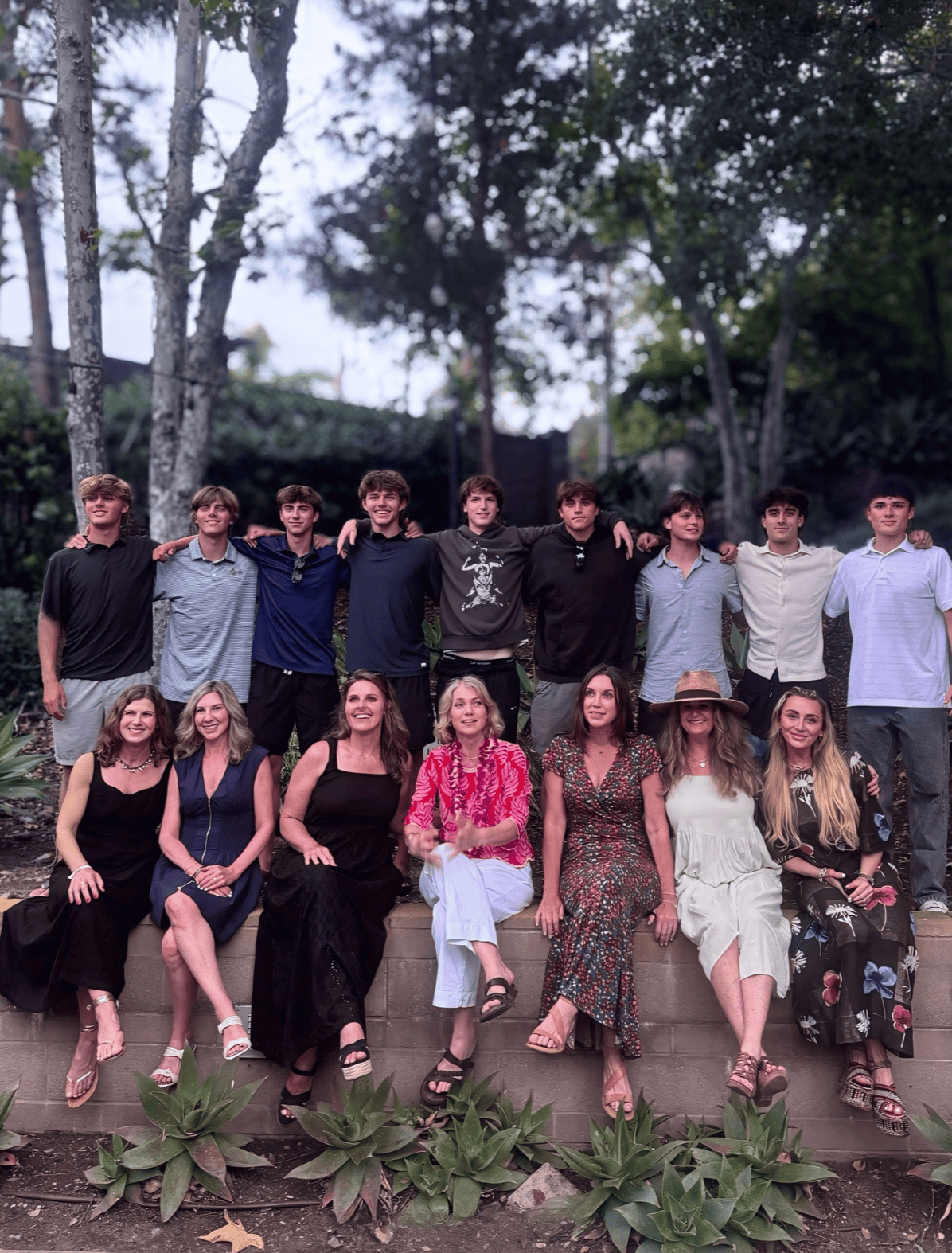

In fact, parents remain the leading influence on their child’s decisions about alcohol. The longer parents can delay their teen’s first drink, the better the long-term outcomes tend to be.
That’s why setting clear expectations, maintaining open communication, and modeling responsible behavior are some of the most effective prevention tools we have.
Helpful ways parents can lead responsibly include:
- Setting clear family expectations around alcohol
- Addressing real-life consequences and legal risks
- Encouraging safe alternatives for celebrations
- Keeping communication open and judgment-free
- Continuing conversations long after graduation parties end


Importantly, many parents are unaware that social host laws in most states make it illegal to provide alcohol to minors — even inside their own home. Attempting to be the “cool parent” can lead to devastating consequences including liability, lawsuits, loss of employment, fines, or even jail time.
And despite outdated stereotypes, underage drinking is not “just what kids do.” In fact, underage drinking is currently at record low levels:
- 82% of 8th graders report never consuming alcohol
- 68% of 10th graders report never consuming alcohol
- 51% of 12th graders report never consuming alcohol
Most kids are making healthy choices — and they need adults who reinforce those choices, not undermine them.
Graduation should be remembered for joy, accomplishment, and possibility — not preventable tragedy.
So this season, let’s continue the conversation. Let’s ask questions. Let’s stay engaged. Let’s model responsibility.
Because responsibility truly starts here — with us, at home.
Helpful Parent Resources:
YOU MAY ALSO LIKE


SHOP THE LOOKS

Pin This Post
LISTEN TO THE PODCAST